If you’ve ever poured a glass of water and hesitated before taking a sip, you’re not alone. There’s something so simple—so essential—about water, and yet in today’s world, it’s also surprisingly complicated. Clean water isn’t just about what looks clear or smells okay. True cleanliness is invisible. And that’s where modern water safety practices come in.
We’re not talking about a filter under the sink anymore. This is bigger. Smarter. And frankly, necessary.
Because water touches everything. And if it’s not safe, nothing really is.
So, What Is Clean Water?
Let’s start here, because this matters more than you might think.
Clean water isn’t just free of mud or leaves. It should be free of pathogens, bacteria, viruses, parasites, and harmful chemicals. It should be balanced in its mineral content—not too hard, not too soft. It should support health, not merely avoid harming it.
And that’s where the idea of water sanitation kicks in. It’s not just a buzzword. It’s the foundation of everything from public health to personal wellness.
When sanitation is handled right, water becomes a source of strength. When it’s ignored or poorly managed, it can become a silent threat. Think E. coli outbreaks, lead poisoning, or skin irritation from poor-quality showers.
Beyond the Faucet: Why One Filter Isn’t Enough
Most of us grew up thinking that if water came from a tap, it was fine. Maybe a little chlorine-y at times. Maybe a bit metallic. But still fine.
Problem is, water treatment on the municipal level is rarely tailored for you. It’s built to meet a minimum requirement—not to give you the best quality.
That’s where personalized systems come in.
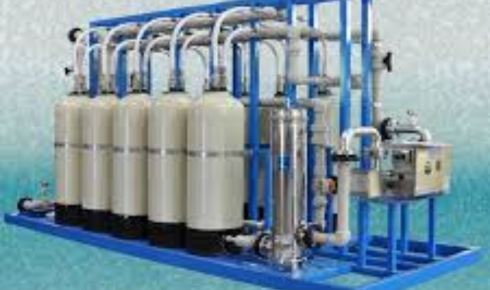
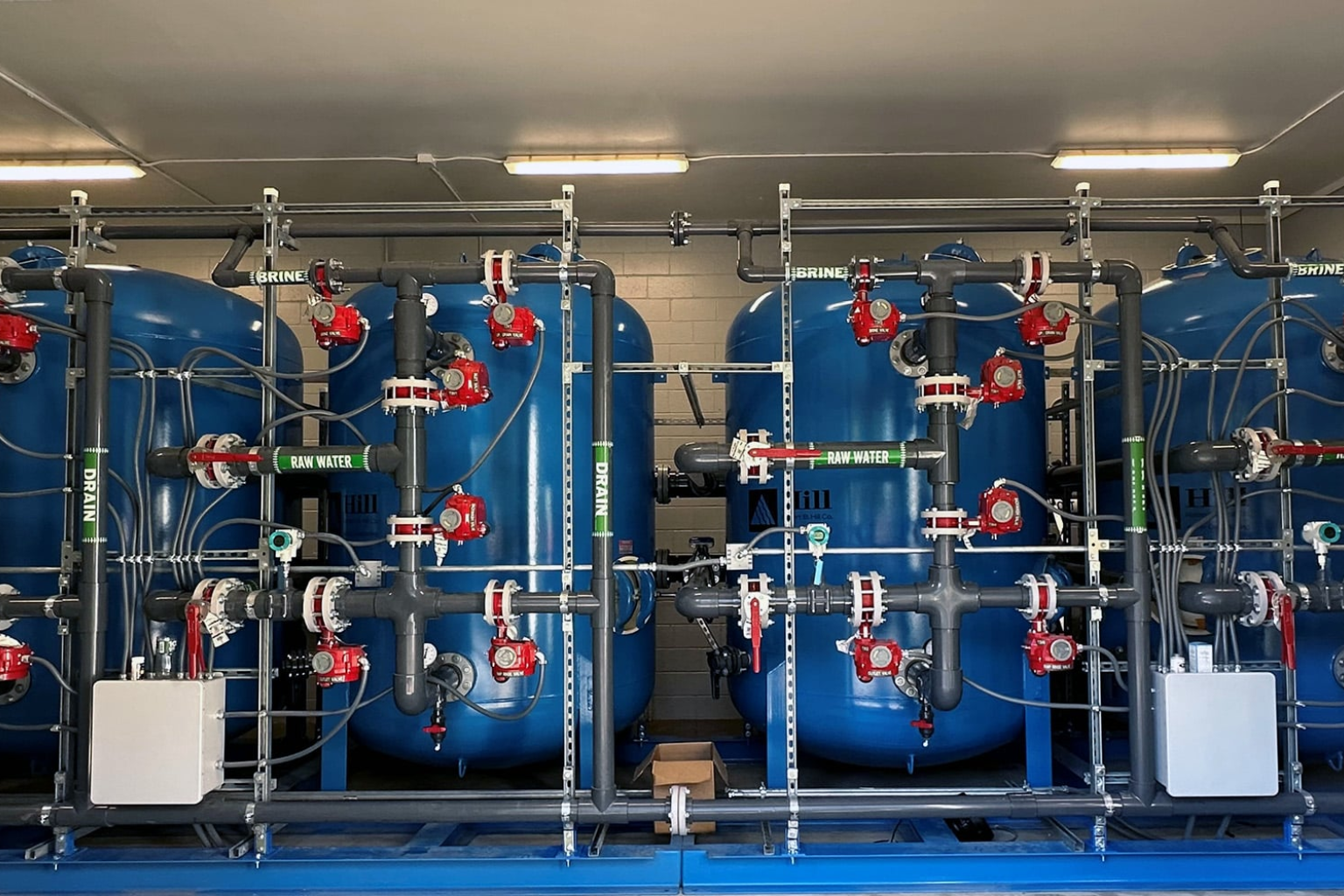
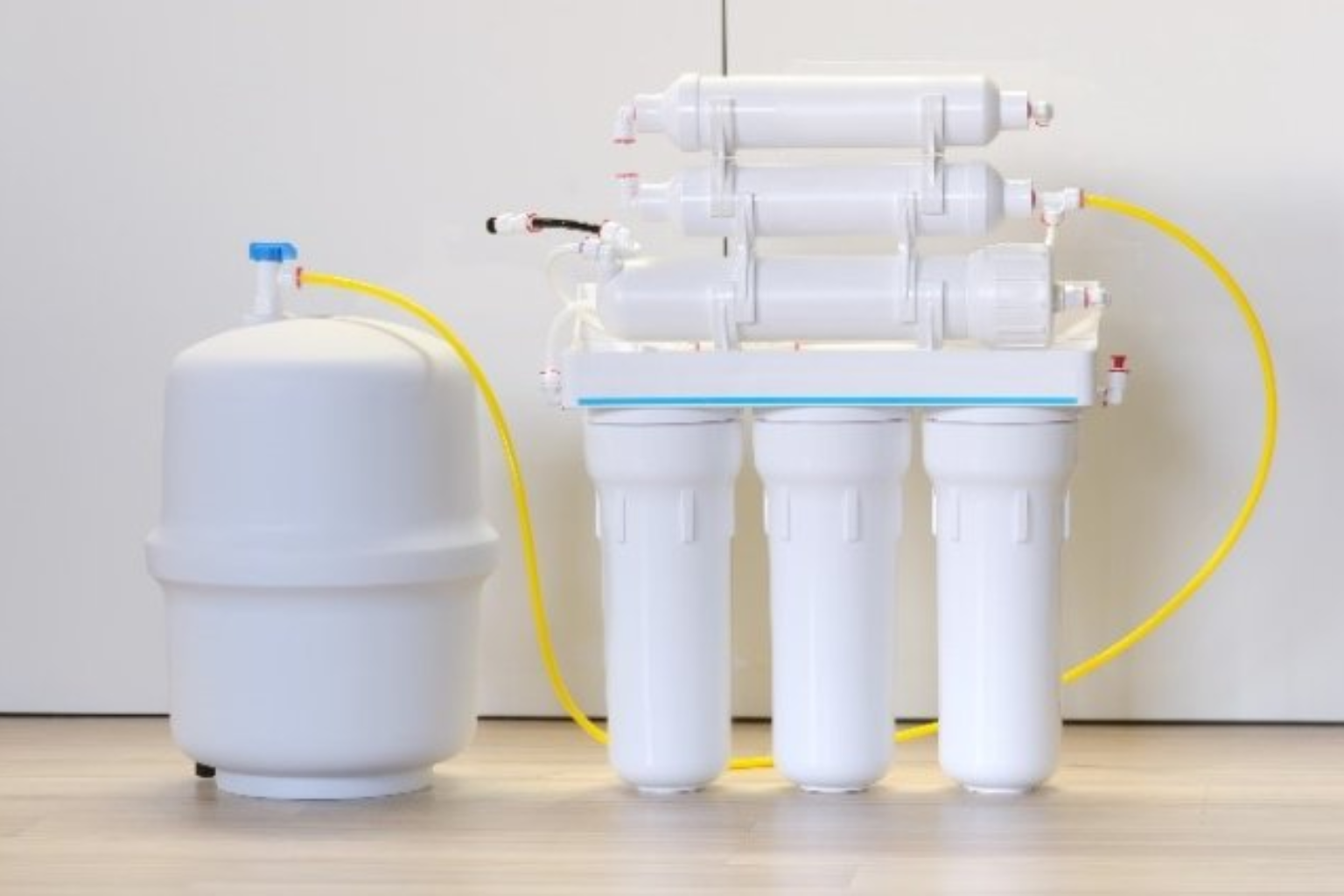
Today’s best setups involve multiple layers of purification, each tackling a specific type of threat. It’s not about overkill. It’s about completeness. Because the goal isn’t just better water—it’s water you can trust.
Light That Kills: The Power of UV
Now, here’s something cool. Light that disinfects. And no, not some science fiction ray gun. We’re talking real-world tech used in hospitals, labs, and—more recently—your own home.
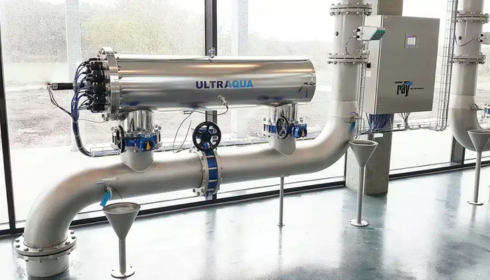
UV disinfection is exactly what it sounds like. It uses ultraviolet light to neutralize bacteria, viruses, and parasites. No chemicals. No weird aftertastes. Just light doing its thing at a microscopic level.
Imagine never having to worry about boiling water again. That’s the kind of peace of mind UV brings. And when paired with pre-filters and post-treatment, it’s a lethal combo (for germs, that is).
The Science of the Right Mix: Chemical Dosing Done Right
Okay, so this next part sounds intense, but it’s actually pretty straightforward.
Some water sources need a bit of help staying safe. That’s where chemical dosing steps in. It’s the precise addition of substances—like chlorine, pH adjusters, or coagulants—that improve water quality or make disinfection more effective.
It’s not about dumping bleach into a tank. It’s about balance, precision, and testing. It’s about making sure what’s added improves water—not just in theory, but in your pipes, your glass, and your body.
The key, of course, is control. Automated dosing systems today are smarter than ever, monitoring levels and adjusting flow with pinpoint accuracy. No guesswork. Just results.
Real Homes. Real Benefits.
Let’s get out of the lab for a moment and into your kitchen. Or your bathroom. Or the laundromat down the street.
What do advanced water systems mean in real life?
- Softer skin, shinier hair.
- Laundry that actually feels clean.
- Cooking that tastes like it’s meant to.
- Fewer plumbing issues.
- Longer appliance life.
And most importantly: fewer health risks lurking in the background.
This isn’t just about luxury. It’s about everyday living. Water you can use without second-guessing. That’s a freedom too many people forget exists—until they finally have it.
What to Ask Before Upgrading
If you’re reading this and thinking, “Okay, maybe my water could be better,” you’re probably right. So what now?
Ask yourself:
- Do I know what’s in my water? (Start with a test.)
- Does my home rely on well water or municipal supply?
- Have I noticed stains, smells, or scale buildup?
- Is anyone in my home sensitive to water quality?
Then ask the experts. But not just any experts—find providers who listen. Who understand that this isn’t just about fixing a utility. It’s about improving your home life.
Customization Is Key
Here’s something not enough people say: there is no universal water solution.
Some homes need basic sediment filtration. Others need multi-layer treatment plans. Some homes require smart dosing, while others lean more on UV or activated carbon systems.
That’s why any one-size-fits-all product usually underperforms. The best water solutions are custom-built for your needs, your source, and your habits.
The Bigger Picture
Better water isn’t just about feeling fancy. It’s about environmental stewardship, public health, and long-term value.
Well-designed systems reduce waste, eliminate the need for bottled water, and extend the lifespan of everything from your kettle to your water heater. And they help communities move away from reactive fixes (like boiling alerts) toward proactive safety.
The Bottom Line
Clean water isn’t a luxury. It’s a right. But in many homes, even in modern neighborhoods, it’s a right that still needs to be earned—through education, investment, and smart technology.
Don’t wait for a problem to arise. Water isn’t something you fix when it breaks. It’s something you manage so that it never does.