There’s something oddly reassuring about a large water tank tucked away in the corner of a field or perched beside a farmhouse. It’s quiet. It does its job. And when disaster strikes or the tap runs dry, it’s suddenly the unsung hero. But not all water tanks are created equal — and let’s face it, with changing weather patterns, growing populations, and aging infrastructure, choosing the right water storage option matters more than ever.
The Quiet Urgency of Water Storage
Most of us don’t really think about water until it’s not there. The irony? It’s one of the most essential elements for life, agriculture, sanitation, and industry. Whether you’re managing a farm, overseeing a commercial property, or simply trying to future-proof your off-grid home, a solid, dependable water storage system is non-negotiable.
That’s where bladder tanks come into play — and no, not the medical kind. These flexible tanks are increasingly the go-to for folks looking for temporary, mobile, or space-efficient solutions. Picture a giant, durable water balloon that can be tucked into crawlspaces, trailers, or remote outposts. They’re rugged, low-maintenance, and surprisingly capacious.
Bladders, Atmospheres & Everything In Between
So what makes bladder tanks different from more traditional water storage setups? For starters, they’re collapsible. That means they can be transported easily and deployed quickly, which is a lifesaver in emergency scenarios. Think military use, firefighting missions, or even festival sites that need a clean water source fast.
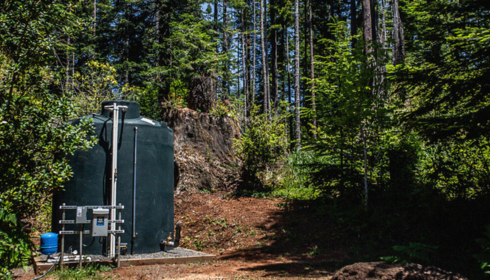
But if you’re not moving around or responding to urgent needs, you might be more interested in larger, fixed options — the kind that serve communities, factories, or agricultural estates. That’s where atmospheric storage tanks step in. These are your big steel or fibreglass giants — open to the atmosphere (hence the name), designed for massive capacity and long-term reliability.
They’re perfect for non-pressurized systems, rainwater harvesting, and even fire suppression reserves. Their construction is often simpler and more cost-effective than pressurized systems. Plus, they offer better durability in harsh weather conditions — snow, hail, sweltering heat, you name it.
Not Just a Tank — It’s a Strategy
Here’s the thing people often miss: water storage isn’t just about buying a tank. It’s about understanding your environment, usage needs, and future risks. Are you in a drought-prone area? Is your main water source reliable year-round? Do you need water for just your household, or are you supporting livestock or crops?
There’s no one-size-fits-all here. But if you’re aiming for a robust, long-term solution, consider pairing various storage types. Use bladder tanks for mobility or overflow. Install atmospheric tanks for your day-to-day and emergency needs. Integrate smart sensors to monitor levels, leaks, and quality.
You might even consider modular setups — smaller units connected in series — to scale up as your demand grows. Flexibility is everything.
Cost vs. Value: Let’s Talk Numbers
Yes, quality tanks cost money. But let’s flip the script — what’s the cost of not having enough clean water when you need it? Broken crops, stalled operations, family health risks… the list goes on.
Bladder tanks typically have lower upfront costs and minimal setup needs. They’re ideal if you need to stay on budget or need a temporary fix. On the other hand, atmospheric tanks — while more expensive to install — offer unbeatable longevity and require less day-to-day attention.
If your goal is long-term resilience, a mix of water storage solutions is probably your best bet. That might include underground cisterns, above-ground tanks, and portable options — all working together to ensure you’re never caught off guard.
Real Talk: Maintenance, Materials, and Mishaps
Let’s be honest, tanks aren’t exactly exciting — until they leak. Or smell. Or freeze. That’s why your choice of materials matters. Polyethylene tanks are lightweight and UV resistant, but can warp under prolonged heat. Steel tanks are sturdy but need rust protection. Bladder tanks? Tough fabrics, but they need flat, debris-free surfaces or you’ll risk punctures.
Routine checks are your best friend. Look out for algae, sediment buildup, and cracks. And never skimp on filtration — especially if you’re collecting rainwater or drawing from untreated sources.
Pro tip? Always install overflow pipes and drainage valves. You’ll thank yourself the next time there’s a freak rainstorm or you need to flush the system in a hurry.
The Eco-Angle (Because It Matters)
Sustainability isn’t just a buzzword. Every drop stored is a drop not pulled from overstretched municipal systems or dwindling wells. Investing in water storage also empowers you to use water more efficiently — recycling greywater, irrigating without guilt, and preparing for an uncertain climate.
And yes, you can absolutely go green while staying practical. There are now tanks made from recycled materials, solar-powered water level monitors, and systems designed to blend into natural landscapes instead of sticking out like sore thumbs.
The Takeaway: Water is Power
Let’s wrap it up with a reality check. Water security is becoming less of a luxury and more of a necessity. The good news? With the right planning, tools, and mindset, you can take control.
So whether you’re setting up a sustainable homestead, upgrading your farm’s irrigation game, or just planning for the unexpected — explore all your options. Look beyond what’s convenient and consider what’s truly effective for your context.
Start small if you have to. Just start.