There’s something strangely comforting about filling up a glass of water. It’s one of those small routines we hardly think about. Twist the tap, cold rush, splash into the glass—done. Hydration, achieved.
But have you ever paused and wondered what’s actually in that sip?
Not in a paranoid way. Just… curiously. Because here’s the thing—water might look pure, but it carries a lot more than meets the eye. And that “stuff” has a name: TDS.
The Sneaky Science in Every Sip
Let’s start simple. TDS of water full form stands for Total Dissolved Solids. It’s a metric that measures all the tiny particles in your water that are, well, dissolved. That means they’re invisible to the naked eye. You won’t see them swirling around, but they’re there—minerals, salts, organic matter, and in some cases, contaminants.
Imagine if your water kept a journal of everywhere it had been, every rock it flowed over, every pipe it passed through. TDS would be that journal entry, condensed into a number.
Why Should You Even Care?
Alright, not everything in your water is bad. Far from it.
Calcium, magnesium, potassium—these are common dissolved solids in water that are actually beneficial. They make your water taste better. They support your health in small but real ways. Ever heard someone say their well water tastes “sweet” or “full”? That’s minerals doing their thing.
But then there’s the other crowd. The hangers-on you don’t want—like heavy metals, excess sodium, nitrates, and industrial runoff. That’s when TDS becomes more than just a geeky number.
High TDS doesn’t always mean unsafe, but it could hint at deeper problems. Low TDS isn’t always good either—it can mean your water’s been stripped of everything, good and bad. It’s about balance.
The Taste Test: What Your Tongue Tells You
There’s a reason filtered or bottled water tastes different in every city.
It’s not your imagination. The way water tastes has a lot to do with its TDS levels. Water with moderate TDS tends to taste fresh and crisp. Too high, and it might taste metallic, bitter, or just “off.” Too low, and it can taste flat—like something’s missing (because, well, it is).
So next time your tea tastes weird or your oatmeal seems off, it might not be the kettle. It could be the total dissolved solids in water causing that strange aftertaste.
Testing: Not Just for Labs
Here’s the good news: you don’t need to be a scientist to figure out what’s in your water.
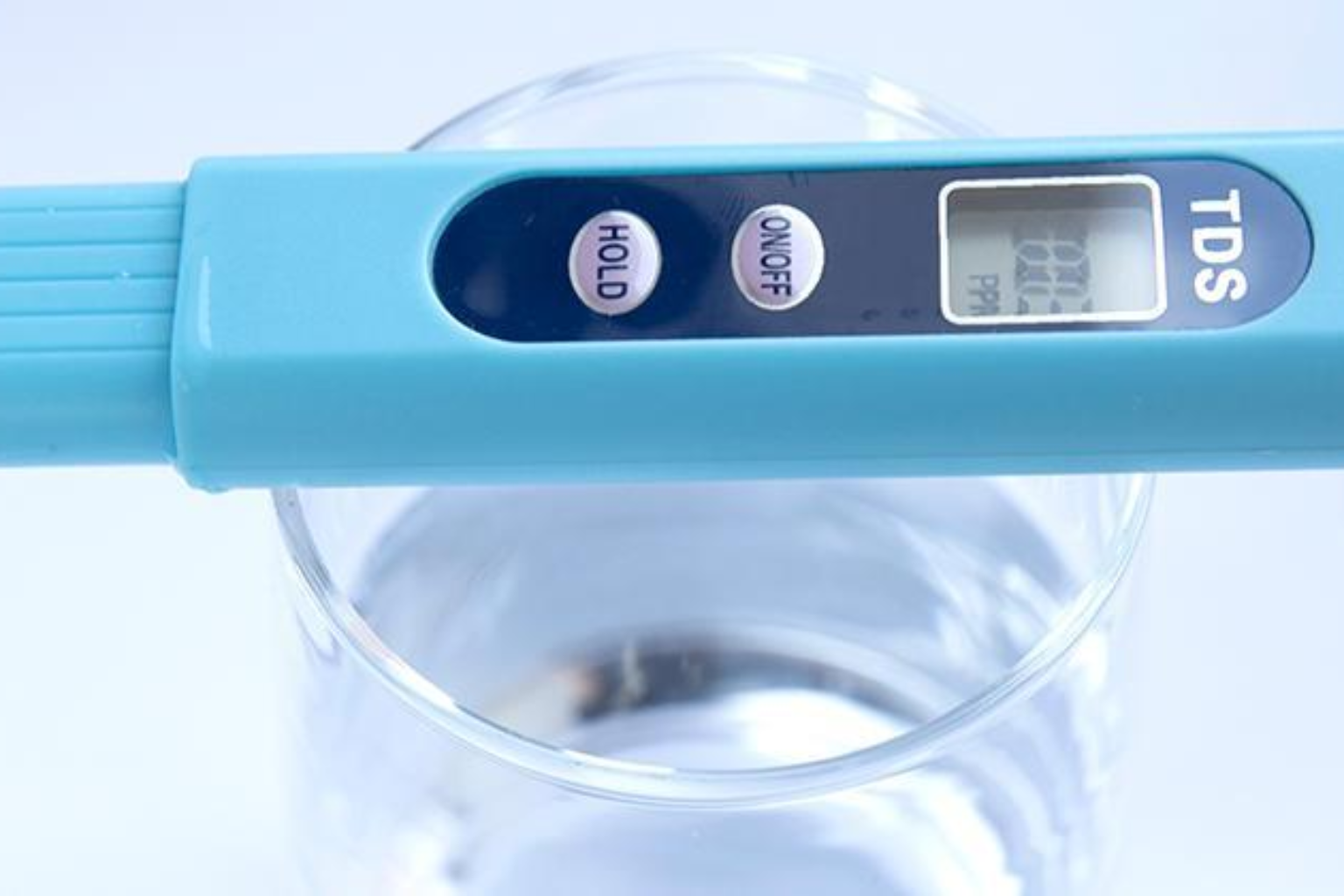
Digital TDS meters are cheap, simple, and widely available. Just dip the sensor in a glass of water, and it’ll spit out a number (measured in ppm—parts per million). That number gives you a clue about what you’re drinking.
- 0–50 ppm: Very low (think distilled or RO water)
- 50–150 ppm: Light and generally safe
- 150–300 ppm: Ideal range for taste and health
- 300–500 ppm: May still be safe, but check for unwanted elements
- 500+ ppm: Time to take a deeper look or filter things out
Of course, the number alone won’t tell you what is in your water—just that something is. Still, it’s a helpful first step.
TDS and Your Home: What Else Is It Affecting?
TDS isn’t just about your taste buds.
High TDS can leave mineral buildup in your pipes, faucets, and appliances. That crusty white stuff around your showerhead? Yup—TDS residue. It can make your dishwasher work harder and shorten the lifespan of your water heater.
It also impacts your soap’s performance. Hard water (high in calcium and magnesium) doesn’t let soap lather properly. That means more detergent, more shampoo, more money down the drain—literally.
So in many ways, managing your TDS helps your home run smoother.
Filtering the Noise (And the Water)
Here’s where the real-world decisions come in.
Let’s say your tap water has a TDS of 480 ppm. That doesn’t necessarily mean it’s dangerous, but if your coffee tastes weird, your showerhead clogs up monthly, and your kettle has flakes, it might be worth addressing.
Filters vary:
- Carbon filters: Great for taste and odor, not great for TDS reduction.
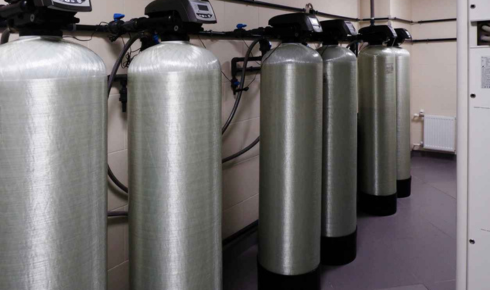
- Reverse osmosis: One of the best for removing high TDS but can strip beneficial minerals too.
- Water softeners: Good for removing hardness (calcium/magnesium), but may increase sodium levels.
Each option has pros and cons. It all depends on what dissolved solids you’re dealing with—and what you’re trying to keep vs. remove.
Bottled Water Myth-Busting
Let’s talk about the elephant in the room: bottled water.
Many folks turn to bottled brands expecting “purer” water. But surprise—some bottled waters have high TDS too, especially mineral-rich or spring-sourced ones. And some use RO-processed water with minerals added back in for taste.
Moral of the story? Bottled ≠ better. And your kitchen tap, with a decent filter, might give you fresher water and less plastic guilt.
TDS Around the World
Different countries have different standards and preferences when it comes to water. In some places, higher TDS is associated with “rich” mineral content. In others, ultra-purified water is the norm.
There’s no universal ideal—but being informed about your local supply and its TDS level helps you make smarter choices for your health, home, and wallet.
Teaching the Next Generation
One cool thing about understanding TDS is that it turns every glass of water into a mini science lesson. Kids love dipping TDS meters and watching the numbers change. Suddenly, water becomes this invisible world to explore.
And it’s empowering. They start asking questions. Where does our water come from? Why does it taste different at Grandma’s house? What does that number mean?
Water awareness starts with curiosity, and curiosity starts with questions like these.
Wrapping It Up: A Clearer View of Water
Water is simple, sure. But it’s also layered, nuanced, and sometimes surprisingly complex.
And at the heart of understanding it is TDS—this quiet little number that tells a big story. From taste to appliance wear to long-term health, it plays a role in every corner of your life.