You probably don’t wake up wondering about your water. You turn on the shower, make coffee, toss laundry into the washer, and move on with your day. Water is just there—steady, dependable, invisible in the background.
Until something starts to feel off.
Maybe your soap doesn’t lather the way it used to. Maybe your dishes come out of the dishwasher with cloudy spots. Maybe there’s a chalky white ring forming around your faucet that no amount of scrubbing seems to fix.
At that point, many people start searching the same question: what is hard water?
It’s a simple question. The answer, though, affects more of your home than you might expect.
The Basics: What Hard Water Actually Is
Hard water contains higher-than-normal levels of dissolved minerals—primarily calcium and magnesium. These minerals naturally enter water as it moves through soil and rock underground.
There’s nothing inherently dangerous about these minerals. In fact, calcium and magnesium are nutrients our bodies need. But when they’re present in high concentrations, they change how water behaves inside your home.
Hard water doesn’t look dramatically different. It doesn’t usually smell strange. It just quietly interferes with everyday routines.
And over time, those small interferences add up.
How Mineral Content Changes Daily Life
One of the first signs of hard water is difficulty with soap. Hard water reacts with soap molecules, reducing their ability to form lather. That’s why shampoo sometimes feels harder to rinse out, or why you might use more detergent than expected.
You may also notice a thin film left behind on shower doors, glassware, or sinks. That residue isn’t dirt. It’s mineral buildup.
Every time water evaporates, it leaves behind trace amounts of calcium and magnesium. Over weeks and months, those traces accumulate.
It’s frustrating. And it’s stubborn.
But it’s not just about appearances.
The Hidden Impact on Plumbing and Appliances
Hard water doesn’t limit itself to visible surfaces. It works inside your pipes and appliances too.
As water heats up—like in your water heater or dishwasher—the minerals crystallize and attach to heating elements and internal surfaces. This reduces efficiency. Equipment has to work harder to achieve the same result.
A scaled water heater may consume more energy. A dishwasher might struggle to clean effectively. Washing machines can experience additional wear and tear.
The real cost of hard water isn’t always obvious right away. It’s gradual.
Measuring the Problem
The severity of hard water depends on something called water hardness, which is measured in grains per gallon (GPG) or parts per million (PPM).
Water classified as “soft” contains minimal mineral content. Moderately hard water may show mild signs. Very hard water can cause noticeable scaling and efficiency loss.
Testing is the only reliable way to determine where your home falls on the scale.
Without testing, it’s easy to misinterpret symptoms. You might blame your appliances or cleaning products when the issue is actually in the water itself.
Why Hard Water Isn’t “Dangerous”—But Still Problematic
It’s important to clarify something: hard water is generally safe to drink.
But safe doesn’t always mean ideal for household systems.
Hard water shortens appliance lifespan, increases cleaning time, and raises energy costs over time. It also affects comfort. Many people with hard water report dry skin or hair that feels harder to manage.
Again, these aren’t emergencies. They’re inconveniences. Persistent ones.
And persistent inconveniences tend to shape daily life more than we realize.
Common Solutions for Hard Water
If testing reveals high mineral levels, there are solutions available.
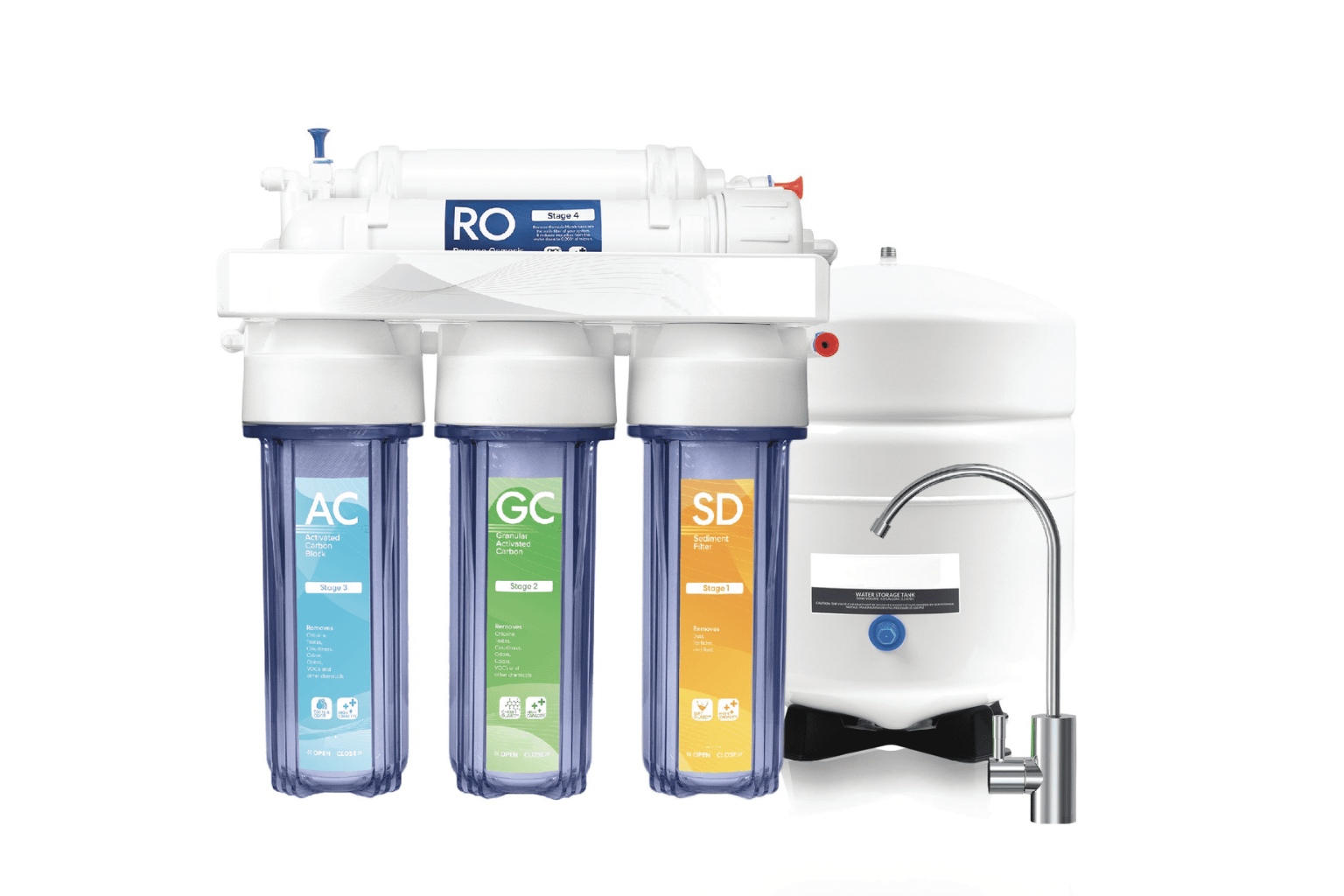
Water softeners are the most common approach. They use an ion exchange process to remove calcium and magnesium before water flows through your plumbing.
Other technologies focus on scale prevention without removing minerals entirely.
The right solution depends on your water profile and household priorities. Some homeowners prioritize appliance protection. Others focus on comfort.
There isn’t a universal answer—only informed decisions.
When Should You Take Action?
You don’t need to panic at the first sign of residue. But if you’re constantly scrubbing scale, replacing appliances prematurely, or noticing persistent dryness in skin and hair, it may be worth investigating.
A simple water test provides clarity.
Sometimes the problem is minor and manageable. Sometimes addressing it leads to noticeable improvements in efficiency and comfort.
The key is knowing.
A Small Change With Long-Term Effects
Hard water rarely announces itself dramatically. It works quietly. Slowly.
But when you reduce mineral content or prevent scaling, you often notice the difference right away. Soap rinses more cleanly. Glassware shines. Appliances seem to run more smoothly.
It’s not a luxury upgrade. It’s a practical one.
Because water flows through nearly every part of your home—showers, sinks, washing machines, dishwashers, heating systems.
Improving it improves everything connected to it.
Final Thoughts
Understanding hard water isn’t about chasing perfection. It’s about awareness.
When you recognize how mineral content affects your home, you gain control over something you use every single day.
You stop fighting soap scum. You stop wondering why your water heater seems inefficient. You stop scrubbing the same white residue over and over.
Sometimes the simplest improvements begin with asking the right question.
And if you’ve ever wondered why your water behaves the way it does, now you know where to start.