
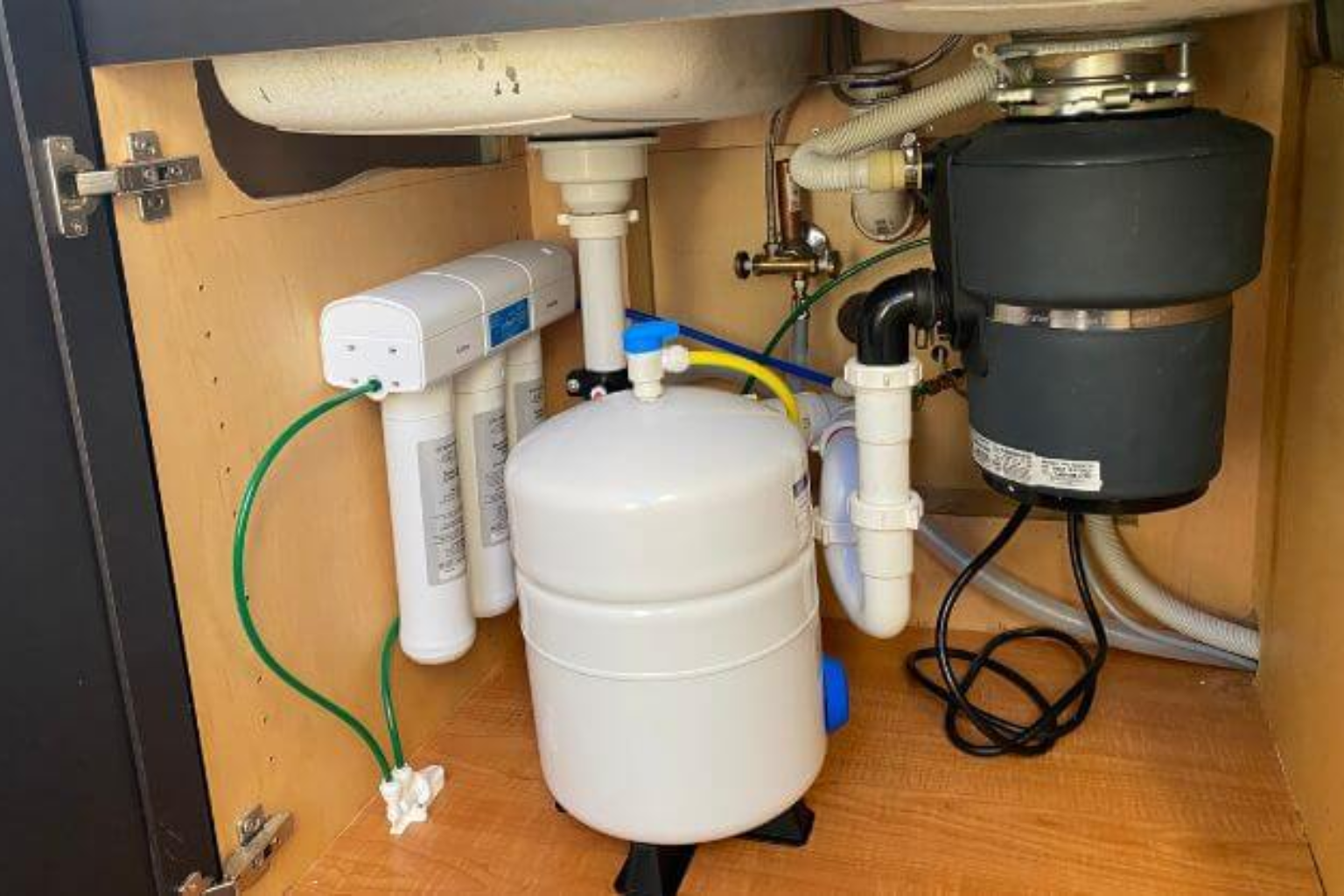
If you’ve ever started researching water treatment systems, you’ve probably noticed how quickly things get complicated. One website recommends a high-capacity softener. Another pushes multi-stage filtration towers. A third insists you need “commercial-grade” equipment to be truly safe.
It’s a lot.
And somewhere in the middle of all that noise, it’s easy to forget something simple: your home is unique. Your water is unique. The solution should be, too.
The smartest water treatment setups aren’t the biggest or the most expensive. They’re the ones designed with intention.
Start With the Water, Not the Equipment
Before anyone talks tanks, valves, or fancy filter names, there should be a conversation about what’s actually in your water.
Hardness levels. Iron content. Chlorine presence. Sediment. Maybe pH. A proper test removes guesswork and prevents unnecessary purchases. Related: Choosing a Water Treatment Solution With Confidence: What to Look For
I’ve seen homeowners install oversized systems they didn’t need, only to discover later that a smaller, targeted approach would have done the job perfectly. More equipment doesn’t automatically mean better results.
It’s about accuracy.
When Softening Makes Sense — And When It Doesn’t
Hard water is one of the most common concerns homeowners face. Mineral buildup leaves spots on dishes, scale in water heaters, and a certain stiffness in laundry that no fabric softener can fix.
In these cases, softening as needed is practical, not excessive.
But here’s the part that doesn’t get talked about enough: not every home needs a heavy-duty softener running 24/7. If your hardness levels are moderate, a properly calibrated system can handle the issue without over-processing your water.
Thoughtful softening protects appliances, improves soap performance, and reduces scale — but only when it’s matched to actual conditions.
Blanket solutions rarely serve anyone well.
The Role of Specialized Filtration
Water challenges don’t stop at hardness. Some homes deal with iron staining. Others have sediment concerns. Some notice chlorine taste, while others face sulfur odors from well water.
This is where tailored media comes into play.
Different filtration materials target different contaminants. Carbon excels at reducing chlorine and improving taste. Oxidizing media handles iron and manganese. Catalytic carbon can help with certain gases and organic compounds.
Choosing the right media isn’t about stacking as many filters as possible. It’s about selecting the one that addresses your specific issue. Related: How Better Water Quality Can Help Your Home Work Smarter
It’s a bit like choosing the right tool for a repair. A hammer is useful — but not for every job.
Size Matters More Than You Think
One of the most overlooked aspects of water system design is capacity.
A system that’s too small will struggle during high-demand periods. A system that’s too large may waste water, salt, or energy unnecessarily. It might even regenerate more often than needed.
That’s why a right-sized design makes such a difference.
Sizing depends on household water usage, number of occupants, and flow rate requirements. A family of five has different needs than a retired couple. A large home with multiple bathrooms demands more capacity than a compact condo.
When systems are sized properly, performance feels effortless. Water pressure stays consistent. Regeneration cycles happen at appropriate intervals. Maintenance becomes predictable.
And you avoid paying for capacity you’ll never use.
Layering Without Overcomplicating
It’s tempting to think more stages equal better protection. But overcomplicating a system can create maintenance headaches. Related: The Strange Little Signs Your Water May Need Attention
The best designs layer thoughtfully:
- Address sediment first.
- Handle hardness or metals if present.
- Refine taste and odor if desired.
Each stage serves a purpose. None are there just for show.
A streamlined system often performs better — and lasts longer — than one overloaded with unnecessary components.
The Maintenance Reality
Even perfectly designed systems require upkeep.
Filters need replacement. Media beds eventually wear down. Softeners require salt replenishment. Ignoring maintenance slowly chips away at performance.
The good news? When a system is sized and configured correctly, maintenance feels manageable. It becomes routine rather than reactive.
It’s less about constant attention and more about occasional care.
The Emotional Side of Thoughtful Design
There’s something reassuring about knowing your water system wasn’t chosen at random.
When you understand why each component is there — why the softener is set to a specific hardness level, why that particular filtration media was selected — it builds confidence.
You’re not just hoping it works. You know it makes sense. Related: Before You Buy a Filter: Why Testing Your Water Is the Smartest…
Water flows through nearly every part of daily life. Showers. Cooking. Cleaning. Laundry. When it’s balanced properly, those routines feel smoother. Less frustrating. Less costly over time.
Avoiding the “One-Size-Fits-All” Trap
The biggest mistake homeowners make is assuming a neighbor’s solution will automatically work for them.
Water varies from street to street. Even two wells on adjacent properties can produce different mineral levels.
A thoughtful approach acknowledges that difference.
It starts with testing. It continues with careful selection of equipment and media. It ends with proper sizing and installation.
The Quiet Payoff
When a water system is designed around your home’s actual needs, it fades into the background.
You stop noticing spots on dishes. You stop thinking about scale buildup. You stop questioning what’s coming out of your tap.
That’s the real measure of success.
Not complexity. Not flashy technology. Just steady, reliable performance. Related: Why Scale Buildup Is Quietly Undermining Your Home’s Plumbing
Because in the end, good water treatment isn’t about buying the biggest system on the market. It’s about choosing the one that fits your home — comfortably, efficiently, and without unnecessary extras.
And when you get that balance right, everything else feels easier.