It’s easy to get swept up in the world of water filters. A quick online search and you’re staring at sleek under-sink systems, whole-home units, countertop pitchers that promise crystal-clear hydration. The marketing is persuasive. Cleaner. Healthier. Better-tasting water in seconds.
But here’s the thing most people skip: understanding what’s actually in their water before buying anything.
We assume that if water looks clear, it’s fine. And in many cases, it is. Municipal systems are regulated, monitored, and treated. Yet water quality varies by region, plumbing age, and even by neighborhood. Private wells? That’s a whole different ballgame. Guessing what kind of filter you need without data is a bit like buying prescription glasses without an eye exam. You might get lucky — or you might miss the mark entirely.
The Value of Knowing, Not Guessing
The most practical place to begin is with a professional water test. Not the quick dip-strip kit from a hardware store — those can be helpful, but they’re limited. A certified laboratory analysis provides a clearer picture. It can identify hardness levels, chlorine content, heavy metals like lead, nitrates, bacteria, and in some cases, emerging contaminants.
That information changes everything.
For example, if your water has elevated hardness but minimal chemical contamination, a softener may be sufficient. If chlorine levels are high, carbon filtration could improve taste and odor. If nitrates or lead are present, more advanced systems might be necessary.
Testing isn’t about creating anxiety. It’s about making informed decisions. Without data, you’re spending money on features you may not need — or worse, missing the contaminants you actually have.
I once spoke to a homeowner who installed a pricey reverse osmosis system only to discover later that his primary issue was iron staining from well water. A simpler iron filter would have addressed the problem more effectively. Testing first would’ve saved time and expense.
Understanding Certifications
Once you know what you’re dealing with, the next step is choosing equipment wisely. And this is where labels and certifications matter more than flashy marketing claims.
Look for products that carry nsf certification. NSF International is an independent organization that tests and verifies water treatment products against established safety and performance standards. When a filter is NSF certified, it means the claims about contaminant reduction have been evaluated and confirmed.
That distinction is important.
Plenty of systems promise dramatic results. But without third-party verification, those claims are difficult to trust. Certification ensures the filter does what it says it does — under specified conditions.
It’s not just about performance, either. NSF testing also examines material safety. You don’t want a filtration unit introducing new issues while solving old ones.
Taking a few extra minutes to check certification details can prevent costly mistakes. It’s a simple step, but one that often gets overlooked in the rush to purchase.
Not All Filters Solve All Problems
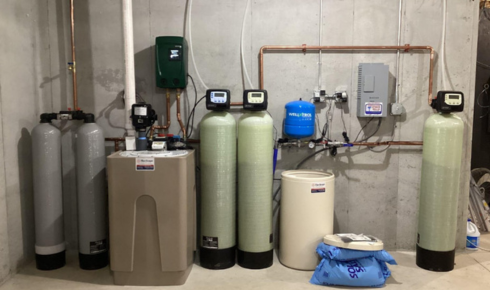
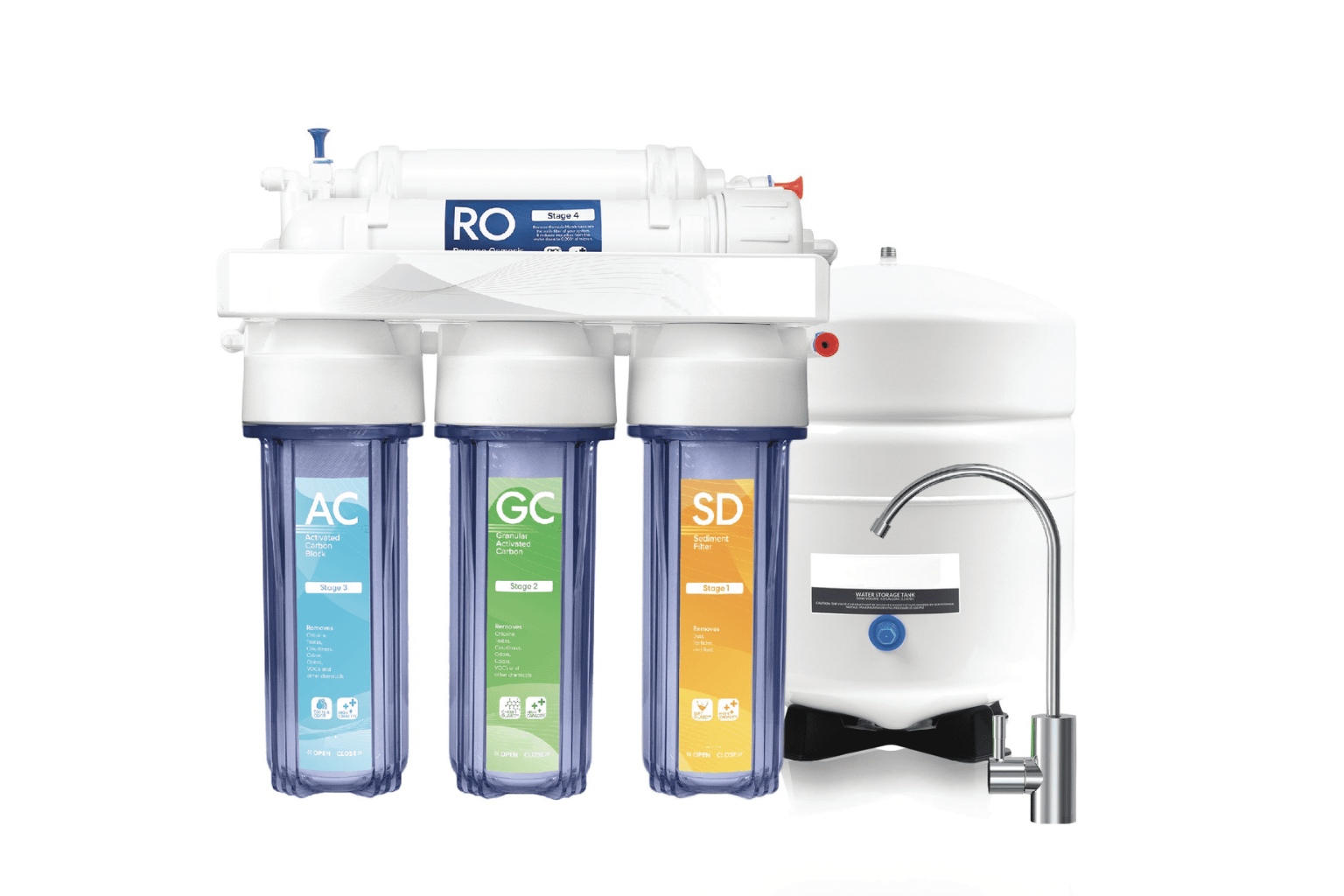
Water treatment isn’t one-size-fits-all. Each filtration method addresses specific types of contaminants. Activated carbon excels at reducing chlorine and certain organic compounds. Reverse osmosis targets dissolved solids. UV systems focus on microbial threats. Ion exchange handles hardness and some heavy metals.
The key is targeted contaminant removal. Instead of installing the most expensive system on the market, match the technology to your water profile.
This is where many homeowners feel overwhelmed. The terminology can be confusing. Membranes, micron ratings, flow rates — it sounds technical because it is. But the core principle is simple: identify the problem, then select the appropriate solution.
In some cases, a combination system makes sense. For instance, a carbon pre-filter paired with reverse osmosis offers broader protection. In others, a straightforward under-sink carbon filter does the job beautifully.
And let’s not forget maintenance. Even the best system won’t perform well if filters aren’t replaced on schedule. Keeping track of replacement intervals ensures consistent performance and avoids the false sense of security that comes with neglected equipment.
Considering Long-Term Value
Cost inevitably enters the conversation. Quality systems aren’t cheap, but they’re often less expensive than years of bottled water or appliance repairs caused by mineral buildup.
More importantly, the value isn’t just financial. It’s about confidence. When you pour a glass of water for your family, you want to trust what’s inside it.
There’s also the environmental factor. Households that shift from bottled water to home filtration reduce plastic waste significantly. That’s a meaningful change, even if it feels small on an individual level.
Energy efficiency and water waste should factor into decisions as well. Some systems generate wastewater during operation. Others consume minimal power. Balancing performance with sustainability ensures your solution aligns with broader environmental goals.
A Thoughtful Approach Pays Off
Water quality isn’t a topic most of us dwell on daily. It sits quietly in the background of our routines. But when you pause and consider how much we rely on it — for drinking, cooking, bathing, cleaning — it deserves attention.
Starting with testing, verifying certifications, and choosing equipment based on real data creates a smarter path forward. It removes guesswork and replaces it with clarity.
The goal isn’t perfection. It’s improvement. A few thoughtful decisions can elevate everyday life in subtle but meaningful ways.
Clean water may not grab headlines or spark dinner-party debates, but it’s foundational. And sometimes, the smartest move isn’t buying the biggest or most expensive system — it’s taking the time to understand your water first.
That quiet diligence makes all the difference.