It started with a drip.
Not a big one. Just an occasional tap on the floor in the hallway, almost like someone lightly knocking. Of course, I did what any rational person would do—grabbed a towel, set it down, and told myself I’d deal with it later. (Spoiler: later turned into two more storms and one pretty nasty ceiling stain.)
I’d never really thought much about roofing. I assumed it just… worked. You put it up, it stays there. But after that little leak, I realized pretty quickly how much we take for granted the thing keeping all our belongings, pets, and people safe from the elements.
And, boy, was I about to get a crash course in what happens when you wait too long to handle roof repair.
The Drip Turns into Damage
Here’s the thing about leaks: they don’t stay small. They spread. Water has this frustrating way of finding every crack, crevice, and corner. It seeps through insulation, warps wood, stains ceilings, and quietly invites mold to throw a party behind your walls.
By the time I stopped procrastinating and called someone out, it wasn’t just a matter of patching a hole. We were looking at water-damaged drywall, soft spots in the decking, and a potential attic mold issue.
All of it probably could’ve been avoided—or at least minimized—if I’d been more proactive about leak detection in the first place.
Finding the Right People (and Asking the Right Questions)
I won’t lie—getting a roofer out felt intimidating. There are a million companies online, all promising the best service, the lowest prices, the fastest results. But I didn’t want a sales pitch. I wanted honesty. Someone who wouldn’t look at my roof and immediately try to sell me a complete overhaul.
A neighbor pointed me toward a small, local team they’d used the year prior. Said they were no-nonsense, good communicators, and respectful of property. That’s all I needed to hear.
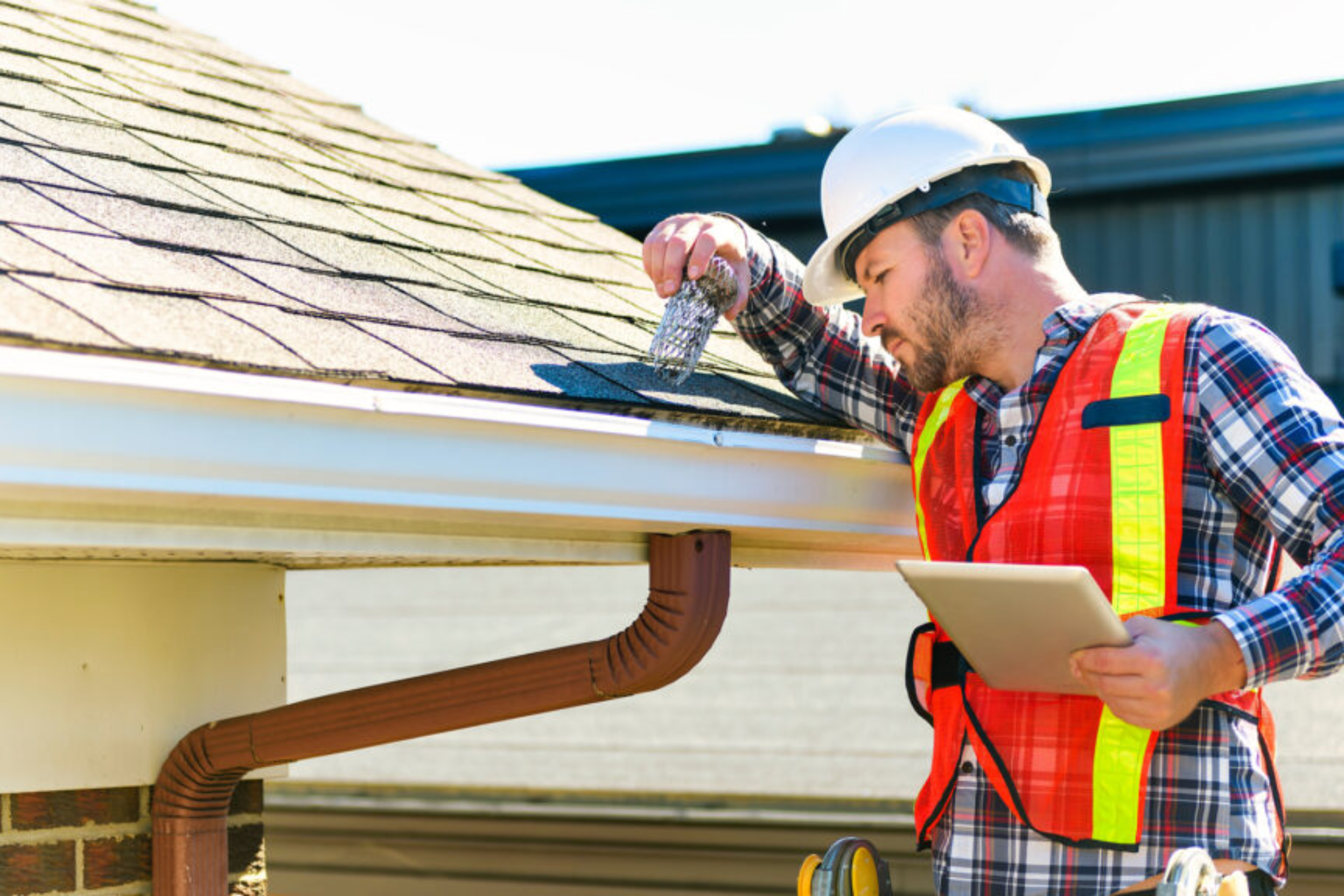
When they came out, they didn’t just go up, look around, and hand me a bill. They walked the property. Asked questions. Took photos. Even showed me areas that were fine and didn’t need attention. That level of transparency goes a long way when you’re stressed and unsure.
A Little Repair Now, or a Big Problem Later
They broke it down simply: I didn’t need a full replacement. Not yet. But I needed some strategic fixes, and I needed them soon.
Some flashing needed resealing. There were a few lifted shingles letting moisture in. And that soft decking area? Yeah… not ideal.
What surprised me most was how straightforward it all was once I had the facts. It wasn’t about panic—it was about prevention. They laid out a timeline, gave me a quote, and explained what would happen at each step.
Honestly, I appreciated how human the whole experience felt. Like a conversation, not a transaction.
Shingles Aren’t Forever
During the repair process, one thing I learned was how underestimated shingle replacement is.
I’d always thought, “If a couple blow off in a storm, no big deal.” But that’s not really true. Shingles are a system. Each one plays a role in redirecting water, insulating, and protecting the layers underneath.
Once a few start failing—cracking, curling, breaking off—it becomes a domino effect. Water sneaks in, underlayment deteriorates, and suddenly you’re in “tear-off” territory instead of “touch-up” territory.
So yeah, replacing a few worn or missing shingles may seem minor, but it’s like fixing a small crack in your windshield—it keeps the whole thing from shattering.
Weather Doesn’t Wait
Texas weather (or insert your state here) is unpredictable. That’s part of what makes roof issues so frustrating. You can have blue skies one week and flash floods the next. Waiting for “a better time” isn’t really an option.
What I realized through all of this is that your roof isn’t just something to deal with when it breaks—it’s something to care for, inspect, and stay ahead of. A little attention every year or two can save thousands in sudden, urgent repairs.
And peace of mind? Well, that’s hard to put a price on.
What I’d Do Differently (So You Don’t Have To)
Looking back, I’d make a few different choices. Maybe you’re in the same boat right now, wondering if that weird spot on your ceiling is a big deal or not.
Here’s what I’d recommend:
- Don’t ignore the signs. A little stain, a funky smell, or an oddly warm ceiling tile isn’t just “weird.” It’s worth checking out.
- Get annual inspections. Even if everything looks fine, let a pro take a look. They see what we don’t.
- Fix small things quickly. Loose flashing, missing shingles, debris-filled gutters—it all matters more than you think.
- Choose people over pricing. The cheapest bid isn’t always the best. Look for folks who are honest, detailed, and communicative.
The Best Sound You’ll Never Hear
There’s something deeply satisfying about lying in bed during a storm and not worrying. No buckets. No dripping. No ceiling tiles bulging with water.
Just the soft tap of rain on the roof—and the confidence that it’s staying out there, where it belongs.
That’s what a good roof gives you. It’s not glamorous. You won’t see it on Instagram. But it’s one of those invisible comforts that makes everything else in life feel a little steadier.
And after going through this whole process, I can honestly say I respect roofs—and the people who fix them—a whole lot more.
One Last Thought
Roofs are like relationships. If you take care of them consistently, they’ll hold strong when things get stormy. But if you ignore the little cracks, well… eventually it all comes pouring in.
So if you’re on the fence—if you’ve noticed a spot, heard a noise, or just haven’t thought about your roof in a while—this might be your nudge. A gentle reminder to look up, get it checked, and sleep a little easier the next time it rains.