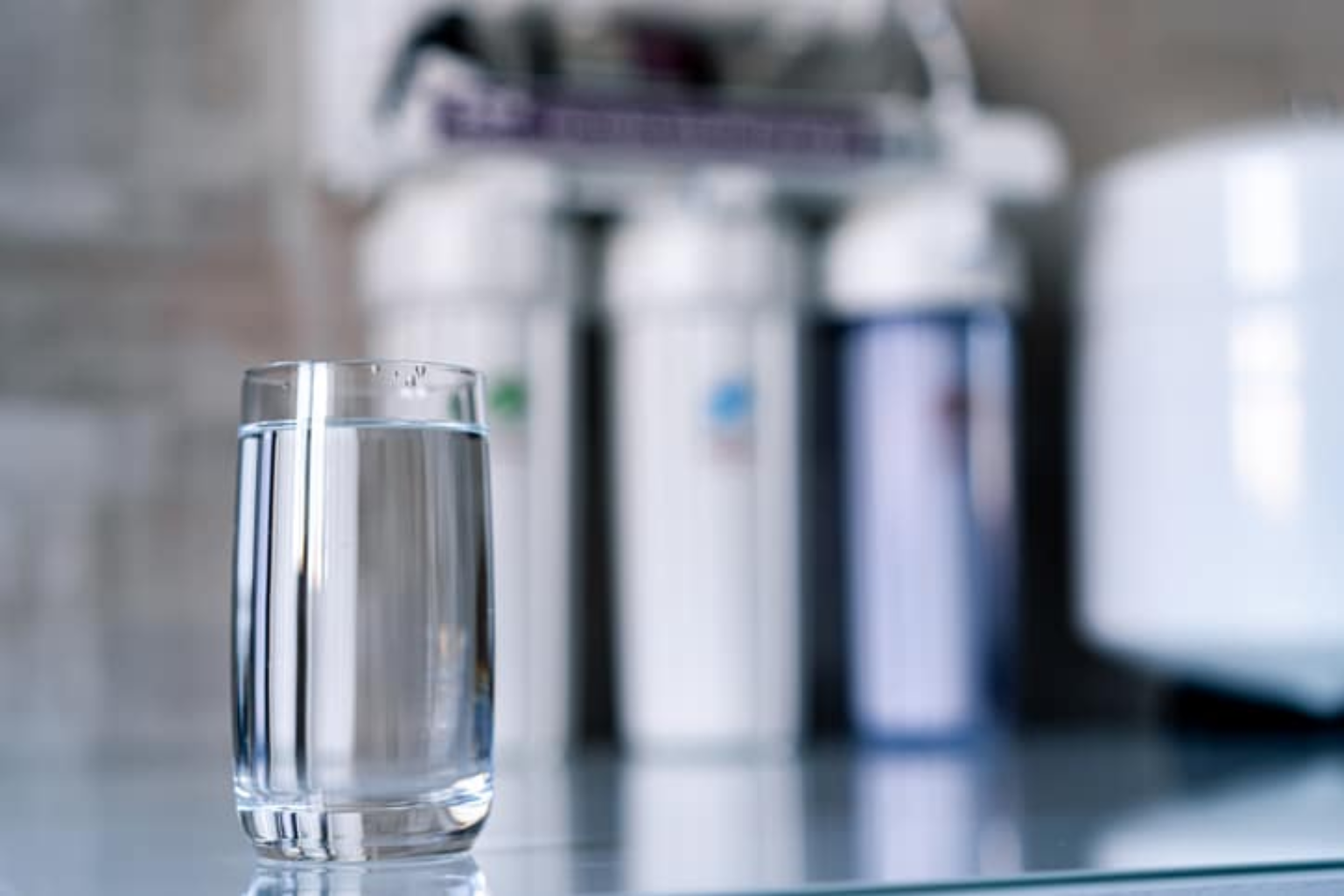
There’s something oddly comforting about a glass of water that just tastes right. Not metallic. Not faintly like a swimming pool. Just clean, crisp, neutral.
And yet, so many of us settle for “good enough.” We drink tap water with a slight aftertaste or rely on bottled water because it feels safer, fresher, more predictable. Over time, though, you start wondering: shouldn’t the water from my own kitchen sink taste this good?
That question usually leads down a rabbit hole of filtration options. Pitchers. Reverse osmosis. Whole-house systems. Activated carbon. And somewhere in the middle of all that research, you come across an interesting term — coconut-shell carbon filtration — and you pause.
What does coconut have to do with water?
The Science Behind a Simple Ingredient
Activated carbon has been used in water filtration for decades. It works by adsorption — a process where contaminants adhere to the surface of carbon particles as water passes through.
Coconut-shell carbon is a specific type of activated carbon made from, yes, coconut shells. And surprisingly, it’s incredibly effective. The shell’s natural structure creates a high surface area when activated, which means more space for capturing chlorine, volatile organic compounds (VOCs), and other unwanted substances.
In plain English? It’s very good at polishing water.
Many filtration systems use this method because it balances performance and simplicity. It doesn’t strip water of beneficial minerals. It doesn’t require complicated plumbing. It just quietly improves what’s already there.
Taste Is the First Thing You Notice
If you’ve ever switched from regular tap water to filtered water, you probably noticed the difference immediately.
Chlorine is one of the most common contributors to unpleasant taste and odor in municipal water supplies. While it’s essential for disinfecting water, it’s not exactly refreshing.
Carbon filters are particularly effective at reducing chlorine levels. And that often results in improved taste — the kind that makes you actually enjoy drinking water rather than forcing yourself to.
It’s a small shift, but it changes habits. When water tastes better, people drink more of it. Coffee tastes cleaner. Tea feels lighter. Even soups and pasta can taste subtly different.
It’s not dramatic. It’s just better.
A Practical Step Toward Everyday Wellness
Water touches everything in your home — not just your glass.
It’s used to wash produce, brew morning coffee, rinse dishes, and cook meals. That’s why improving water quality isn’t only about hydration. It’s about daily living.
Many homeowners view filtration as part of a broader approach to home water care — maintaining systems that protect plumbing, improve taste, and support overall household efficiency.
It’s less about reacting to a problem and more about being proactive.
You change your HVAC filters. You service your car. Water filtration fits into that same mindset of routine maintenance.
Simple Systems, Real Impact
One of the advantages of carbon-based filtration is its simplicity.
Under-sink systems, countertop filters, or whole-house carbon filters are relatively straightforward to install and maintain. Filter cartridges are typically replaced every six to twelve months, depending on usage and water quality.
There’s no dramatic maintenance routine. No constant adjustments.
And for many households, that’s enough.
If hardness isn’t a major issue and dissolved solids are within normal limits, a carbon filter can dramatically improve taste without overcomplicating things.
Environmental Considerations
There’s also an environmental side to this conversation.
Relying heavily on bottled water contributes to plastic waste. Even with recycling efforts, many plastic bottles don’t get properly processed.
Upgrading your tap water reduces dependency on single-use plastics. It’s a subtle but meaningful change.
Coconut-shell carbon itself is derived from a renewable resource — using what would otherwise be agricultural waste. That doesn’t make it perfect, but it does add a layer of sustainability to the process.
Small choices add up.
Is Carbon Filtration Enough for Everyone?
Not necessarily.
If your water contains high levels of dissolved solids, heavy metals, or specific contaminants, you may need a more advanced system — such as reverse osmosis.
But for many municipal water users dealing primarily with chlorine taste and mild odor concerns, carbon filtration offers a balanced solution.
The key is testing your water before investing. Assumptions can lead to overspending or undershooting your needs.
Water quality varies widely by region — sometimes even by neighborhood.
The Quiet Confidence of Clean Water
What’s interesting about upgrading your filtration system is how quickly it becomes invisible.
You install it. You replace filters occasionally. And then you stop thinking about it.
But every time you pour a glass of water and it tastes clean, you’re reminded that the upgrade was worth it.
There’s something reassuring about knowing your water has been filtered through a reliable, natural medium — without stripping away everything that makes water refreshing in the first place.
Final Thoughts
Good water doesn’t demand attention. It just works.
And when your tap consistently delivers clean, fresh-tasting water, it changes daily routines in subtle ways.
Whether you’re trying to reduce chlorine taste, cut down on bottled water, or simply improve the experience of drinking from your own faucet, the right filtration system can make a meaningful difference.
Sometimes, better living starts with something as simple as a glass of water — filtered thoughtfully, and enjoyed without hesitation.