There’s a moment most of us have had at least once. You pour a glass of water from the tap, take a sip, and pause. Maybe it tastes faintly metallic. Maybe there’s a whisper of chlorine. Or maybe it’s perfectly fine — but you’ve read enough headlines about water quality that “fine” doesn’t feel as reassuring as it used to.
That’s usually when people start asking questions about home filtration. And somewhere in that search, they stumble across the big one: reverse osmosis.
So let’s slow it down and talk honestly about it. Not hype. Not fear. Just facts and experience.
What Is Reverse Osmosis, Really?
Reverse osmosis (RO) sounds technical — and it is — but the concept is simple. Water is pushed through a semi-permeable membrane that filters out dissolved solids, heavy metals, and certain contaminants. What passes through is highly purified water, usually delivered through a dedicated faucet at your kitchen sink.
When people search for why reverse osmosis system, they’re often looking for clarity. Is it necessary? Is it overkill? Does it really make a difference?
The answer depends on your water and your expectations.
If your local supply already tastes clean and tests well, you might not need one. But if you’re dealing with high mineral content, nitrates, or persistent chlorine taste, an RO system can dramatically improve drinking water quality.
The Taste Factor
Let’s be honest — taste matters.
Water is something we consume every single day. If it tastes slightly off, you’ll subconsciously avoid it. You’ll reach for soda. Coffee. Bottled water.
One of the first things people notice after installing an RO unit is how different the water feels. Lighter. Smoother. Cleaner.
Some describe it as pure refreshing water — not because it’s magical, but because dissolved solids have been reduced significantly. Coffee tastes brighter. Ice cubes freeze crystal clear. Even simple pasta water seems cleaner.
It’s a subtle upgrade, but one you notice immediately.
Addressing Contaminants
Reverse osmosis is particularly effective at reducing dissolved contaminants like arsenic, nitrates, fluoride (in some systems), and certain heavy metals.
If you rely on a private well, this can be especially valuable. Municipal systems are regulated and monitored, but private wells depend entirely on homeowner testing.
An RO system doesn’t replace the need for testing. It complements it. Once you know what’s in your water, you can decide whether reverse osmosis makes sense.
That’s where the real ro benefits show up — targeted reduction of specific substances you’d rather not ingest over time.
Is It Too Much Filtration?
One common concern is that reverse osmosis removes “too much,” including beneficial minerals.
Technically, yes — RO strips out most dissolved solids. But many modern systems include remineralization stages that add small amounts of calcium or magnesium back into the water to balance taste and pH.
In other words, you can customize the output to your preference.
It’s not an all-or-nothing decision anymore.
Installation and Maintenance
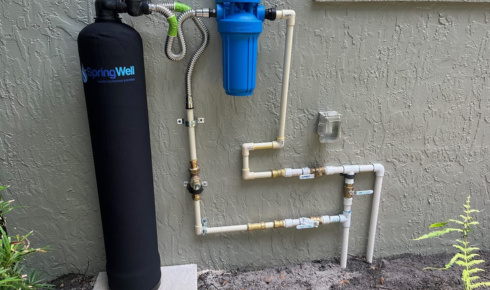
RO systems are typically installed under the kitchen sink. They require a storage tank, a membrane, and pre- and post-filters.
Maintenance isn’t complicated, but it’s not optional. Filters need replacing every 6–12 months, depending on usage. The membrane usually lasts longer but still requires periodic attention.
If you ignore maintenance, performance declines. That’s true for any filtration system.
Fortunately, modern units are designed for manageable upkeep. Many include reminders or easy cartridge swaps.
Cost vs. Value
There’s an upfront investment. That’s undeniable.
But consider what you might already be spending on bottled water. Or specialty water deliveries. Over time, an RO system can reduce those costs significantly.
It also reduces plastic waste — something many households appreciate.
And beyond finances, there’s the peace of mind factor.
When you trust your drinking water, you stop thinking about it.
Who Should Consider RO?
Reverse osmosis isn’t for everyone.
If your municipal report shows excellent water quality and you’re satisfied with taste, a simple carbon filter might suffice.
But if you’ve tested your well water and found elevated nitrates or dissolved solids, RO is often recommended. If chlorine taste bothers you persistently, it can make a noticeable difference.
It’s not about trends. It’s about alignment.
The Emotional Side of Clean Water
There’s something reassuring about turning on a small dedicated faucet and knowing exactly what you’re getting.
You fill a glass for your child without hesitation. You brew tea without wondering about mineral interference. You hydrate more because the water simply tastes good.
And that daily habit — drinking more water — has its own ripple effect on health and energy.
Final Thoughts
So, is a reverse osmosis system worth it?
For some households, absolutely. For others, it may be unnecessary.
The smartest approach is simple: test your water. Understand your source. Evaluate your goals.
Because at the end of the day, better water isn’t about chasing perfection. It’s about confidence.
And when your glass tastes clean, crisp, and exactly the way you want it — that quiet confidence feels pretty good.