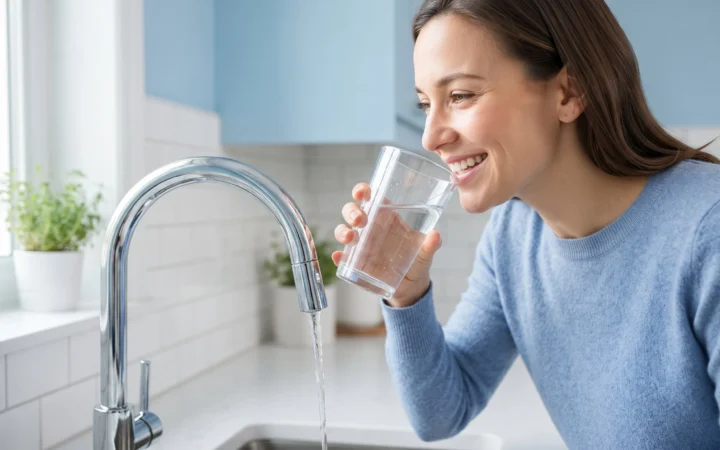
Most of us don’t think much about water until something makes us pause. Maybe your morning coffee tastes a little different, the kitchen tap leaves white marks on the sink, or your family has started buying bottled water because nobody likes the taste coming from the faucet. These things might seem small, but they can become frustrating when they happen day after day.
The good news is that improving the water at home doesn’t always require a complicated setup. Sometimes a simple filter is enough; in other cases, the water needs more specific treatment. The important part is understanding what you’re trying to improve before choosing equipment. A little research now can save money, time, and a fair amount of trial and error later.
Start by Understanding Your Water
Water quality varies from one household to another. Municipal water supplies are generally treated and monitored, yet mineral content, taste, and other characteristics can differ by location. Private wells bring their own considerations because geology, rainfall, nearby land use, and well maintenance can influence the water.
Household clues can help you decide what to investigate. White scale around faucets often suggests hard water, while reddish stains may be associated with iron. A noticeable chlorine taste can sometimes be reduced with an appropriate carbon filter. Still, these signs aren’t a complete diagnosis. Clear water can contain substances that aren’t visible, and an unusual taste doesn’t automatically mean the water is unsafe. Related: Why Better-Tasting Water at Home Starts With the Right Filter
Before buying equipment, review your local water-quality report if you use a municipal supply. If you rely on a private well, arrange suitable testing based on local risks. A basic hardness test can identify mineral-related concerns, but health-related questions may require specific testing through a certified laboratory.
Knowing what is present helps you choose a filter that addresses the actual issue instead of relying on a product’s general promises.
What Different Filters Can Do
There are plenty of filtration products on the market, and the differences aren’t always obvious from the packaging. Some water filters are designed to capture suspended particles, while others use activated carbon to reduce certain tastes, odors, and selected compounds. More specialised equipment may target particular dissolved substances or provide disinfection when microbial concerns have been identified.
Activated carbon is commonly used in drinking-water filters because it can improve taste and reduce certain contaminants, depending on the design. Sediment filters, meanwhile, can help remove particles such as sand and rust before they reach fixtures or other equipment. Neither type should be assumed to remove everything. Related: Designing a Water Treatment System That Fits Your Home — Not the…
Reverse osmosis is another option. It uses pressure to move water through a semipermeable membrane, reducing many dissolved substances. Performance depends on the specific system and the contaminants being targeted. These units also require regular filter and membrane replacement and may send some water to the drain during production.
The distinction matters because a filter that improves taste may not address a microbiological concern, and a sediment filter won’t necessarily remove dissolved chemicals. Always check the manufacturer’s performance information and any relevant independent certifications before making a decision.
Finding the Right Setup for Your Household
Some homes need treatment at just one tap, usually the kitchen sink. Others may benefit from equipment installed where water enters the property. The choice depends on the problem, how much water the household uses, and which fixtures need treatment.
For many families, residential water filters offer a practical way to improve drinking and cooking water without changing the entire plumbing system. Under-sink units, faucet-mounted filters, and countertop models can serve different needs. A smaller unit may be perfectly adequate for a couple who mainly want better-tasting drinking water, while a larger household may need greater capacity.
Think about convenience, too. Will you remember to replace a cartridge every few months? Is there enough room beneath the sink? Does the filter provide water quickly enough when everyone is filling bottles before leaving for work or school? These everyday details matter more than they might seem during the buying process. Related: Before You Buy a Filter: Why Testing Your Water Is the Smartest…
If several fixtures are affected by sediment or another concern, a point-of-entry system may be worth exploring. However, whole-house equipment can involve higher installation and maintenance costs. It should be selected according to test results and household demand, not simply because a larger system appears more powerful.
Don’t Overlook Hard Water
Hard water is one of the most common reasons homeowners begin researching treatment. Calcium and magnesium can leave deposits on shower screens, faucets, kettles, and water heaters. Soap may lather less effectively, and cleaning can feel like a never-ending chore.
A conventional water softener can reduce hardness through ion exchange. This process replaces calcium and magnesium ions with other ions, commonly sodium, helping limit scale buildup. A softener is different from a general-purpose filter, though, and it doesn’t automatically remove every contaminant.
If hardness is the main concern, test the water before deciding which equipment to install. Some homes need a softener, while others may benefit from a different approach. If you’re concerned about sodium in softened water, discuss the options with a qualified professional. The right arrangement depends on household preferences, water conditions, and the equipment available.
Installation and Maintenance Matter
Even well-designed water filter systems need proper installation and ongoing care. Equipment must be sized for the household’s water demand and installed according to the manufacturer’s instructions. Depending on the design, installation may involve plumbing changes, drainage connections, or enough clearance to service the unit. Related: The Day You Stop Worrying About Water: How Smart Monitoring Is Changing…
Maintenance is where people sometimes lose track. Filters become exhausted, carbon media loses effectiveness, and membranes need replacement according to the specified schedule. A neglected system may no longer perform as expected, even if water still looks perfectly clear.
Ask about replacement costs before buying. Find out whether cartridges are readily available, how often the equipment needs attention, and whether professional servicing is required. Keep a record of installation dates and filter changes, or set a reminder on your phone. It’s a small habit that can prevent bigger headaches.
If the water’s taste, smell, colour, or pressure changes unexpectedly, investigate the cause. Replacing a filter may help, but it shouldn’t be used as a substitute for testing when contamination is suspected.
Make a Choice That Makes Sense
Choosing a water filter shouldn’t feel like navigating a maze of technical claims. Start with the water source, identify what you want to improve, and use suitable testing when needed. Then compare equipment based on its verified performance, capacity, installation requirements, and long-term maintenance costs.
Be cautious of products that claim to solve every possible water problem. No single technology works for every contaminant under every condition. A trustworthy supplier should explain what a system can reduce, what it cannot address, and why it suits your particular needs. Related: Why Scale Buildup Is Quietly Undermining Your Home’s Plumbing
At the end of the day, the best filtration setup is the one that works reliably in your home without creating unnecessary expense or effort. With a little planning and regular maintenance, you can make a more informed choice and feel more comfortable about the water you use every day.