Good Water Begins With Understanding Your Needs
Water is one of those things most people rarely think about until something seems wrong. Maybe the tap water tastes unpleasant, white spots keep appearing on shower doors, or laundry comes out feeling stiff even after using a familiar detergent. Sometimes the issue is more serious, such as a concern about drinking water quality or a change in its appearance. Whatever the situation, finding the right solution begins with understanding what is actually happening.
Water quality can vary significantly from one property to another. The source of the water, the condition of household plumbing, and the minerals or other substances present all influence how water behaves. That is why a system that works perfectly for one household may not be the right choice for another.
A good water treatment provider should take the time to understand these differences before recommending equipment. Rather than immediately suggesting an expensive installation, the provider should ask questions, explain possible causes, and help the customer identify practical next steps. It sounds simple, but that kind of thoughtful approach can save homeowners money and frustration.
Why Honest Recommendations Make a Difference
Shopping for water treatment equipment can feel confusing, especially for someone who has never purchased a filtration or softening system before. There are different technologies, varying capacities, maintenance requirements, and plenty of technical terms to sort through. Without clear guidance, it is easy to choose a product based on price alone or assume that the most advanced system must be the best. Related: The Quiet Routine Behind Reliable Water: Why Small Habits Matter More Than…
That is where honest recommendations become especially valuable. A trustworthy professional explains which problems a system is designed to address, what it cannot remove, and whether additional treatment is necessary. If a household only needs help with hard water, for example, a water softener may be appropriate. If the concern involves a particular contaminant in drinking water, testing may point toward a different treatment method.
The important thing is to match the equipment to the problem rather than trying to make one product solve everything. Customers should also understand the ongoing costs, including replacement filters, salt, routine servicing, and eventual component replacement.
Clear advice gives homeowners the information they need to make a confident decision. It also creates a healthier relationship between the customer and the service provider, because expectations are established before the work begins.
Understanding Common Water Quality Problems
Hard water is one of the most common concerns in residential properties. It contains elevated levels of dissolved calcium and magnesium, which can leave mineral deposits on taps, showerheads, glass surfaces, and appliances. Over time, these deposits may affect the performance of water heaters and other equipment, depending on the severity of the problem.
A water softener reduces hardness through a treatment process that typically exchanges calcium and magnesium ions for sodium or potassium ions. The result is softer water that can help reduce scale formation and make everyday cleaning easier. However, softening is not the same as removing every contaminant. Related: Why Better-Tasting Water at Home Starts With the Right Filter
Filtration addresses a different set of concerns. Depending on the filter media and system design, filtration equipment may reduce sediment, chlorine taste and odor, or particular unwanted substances. Reverse osmosis systems use a semipermeable membrane and other treatment stages to reduce many dissolved substances from drinking water, although performance depends on the system and the contaminants involved.
Testing matters because appearance and taste alone cannot establish whether water is safe. Some contaminants have no noticeable smell, color, or flavor. If there is a health-related concern, use an appropriately certified laboratory or qualified local testing service and select treatment based on the results.
Service Should Continue After Installation
Installing a water treatment system is an important step, but it is not the end of the process. Equipment needs appropriate maintenance to perform as intended. Filters become saturated or clogged, softeners may need salt replenishment, and system components can wear out with use.
This is why exceptional service should mean more than arriving on time and completing an installation. It should include explaining how the equipment works, showing the homeowner which maintenance tasks are required, and providing clear guidance about service intervals. Customers should know who to contact if water pressure changes, an indicator light appears, or the system stops producing the expected results.
Reliable after-sales support can also prevent small problems from becoming expensive repairs. For instance, replacing a filter according to the manufacturer’s schedule may help maintain performance, while ignoring a persistent leak could lead to damage around the installation area.
Service plans can be useful, but homeowners should review what they include. Some cover inspections and routine maintenance, while others may charge separately for replacement parts, consumables, or emergency visits. Understanding these details ahead of time makes budgeting easier and avoids unpleasant surprises. Related: Pure Water, Peace of Mind: The Real Journey Behind a Healthier Home
Choosing Equipment That Fits Your Home
A water treatment system should suit the household’s water use, available space, plumbing arrangement, and treatment goals. A large family with several bathrooms may have different capacity requirements from a small household. Similarly, someone concerned primarily about drinking water may not need the same equipment as a homeowner trying to manage hard water throughout the property.
Before purchasing a system, consider a few practical questions. What specific problem needs to be addressed? Has the water been tested where necessary? How much water does the household typically use? Is there enough room for installation and future maintenance? Are replacement filters or other consumables readily available?
It is also worth checking product certifications. Independent certification can help verify whether a system has been tested against particular performance standards. Look for claims that match the concern being addressed, rather than assuming that a general certification means a product removes every possible contaminant.
Price deserves attention, too, but the initial purchase cost is only part of the picture. A less expensive unit may require frequent replacement cartridges, while a higher-priced system might involve more complex servicing. Comparing total ownership costs over several years provides a more useful basis for making a decision.
The Value of a Relationship Built on Trust
Water treatment is not simply about buying a machine. It is about finding a solution that continues to meet a household’s needs over time. Water conditions can change, equipment ages, and families may use more or less water as their circumstances evolve. A provider who remains available to answer questions can help customers adjust when necessary. Related: Brine Tanks, Salt, and Softeners: What Every Homeowner Should Really Know
The idea of water solutions you can trust comes down to a combination of sound technical advice, suitable equipment, transparent pricing, and dependable support. No single system is right for every situation, and responsible professionals should be comfortable explaining those limitations.
Trust also grows when communication remains straightforward. Customers should receive realistic expectations about installation, maintenance, and likely results. If a system requires regular attention, that should be discussed before the purchase. If testing reveals that a particular treatment is unnecessary, the recommendation should reflect that finding.
These details may not seem especially exciting, but they make a real difference in the long run. Homeowners are better equipped to care for their systems when they understand what they have purchased and why it was selected.
Better Water Is a Long-Term Investment
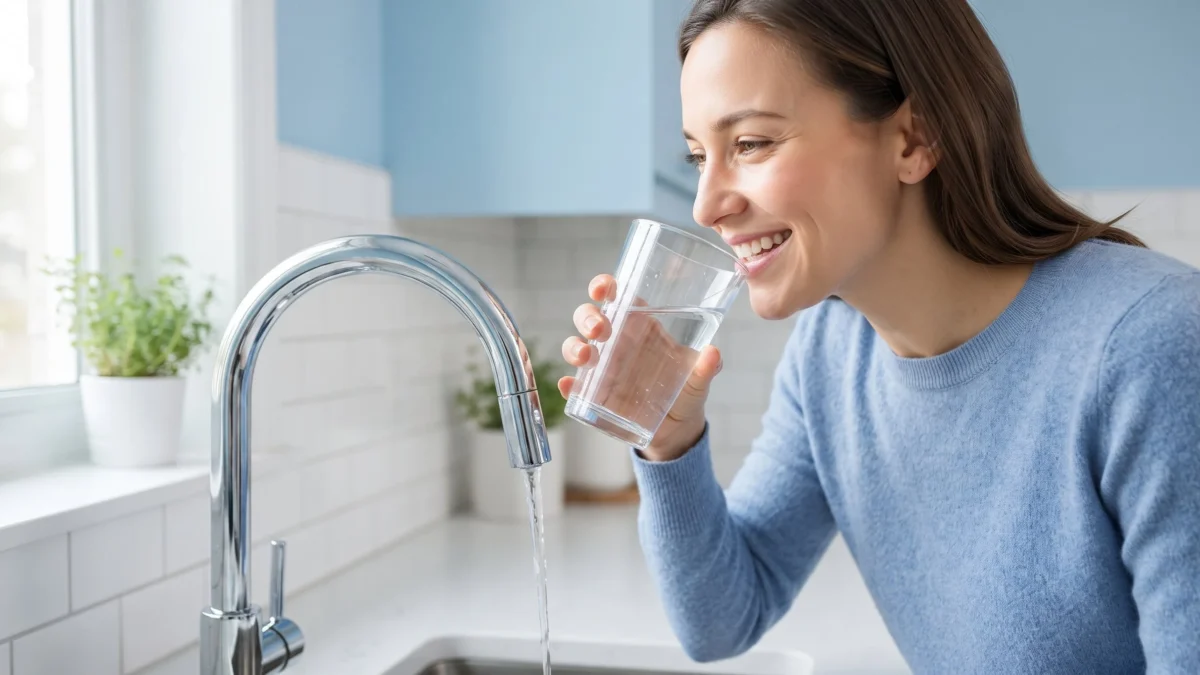
Improving water quality can make everyday routines more comfortable, from preparing meals and filling a drinking glass to cleaning bathrooms and maintaining household appliances. The right treatment may reduce specific water quality problems, but the best results come from choosing equipment carefully and looking after it properly.
Start with the concern that matters most, gather reliable information, and compare solutions that address that need. Ask questions, read maintenance instructions, and make sure the provider can explain the reasoning behind a recommendation in plain language.
Good water treatment should not leave homeowners feeling overwhelmed by technical claims or pressured into buying equipment they do not need. It should make the situation clearer. Related: When Your Water Starts Telling a Story: A Warm, Honest Look at…
When knowledgeable advice is paired with suitable technology and ongoing support, choosing a water treatment system becomes a much more manageable decision. And that is what people should expect: not just a product delivered to the door, but a practical solution designed around their water, their home, and their everyday life.