
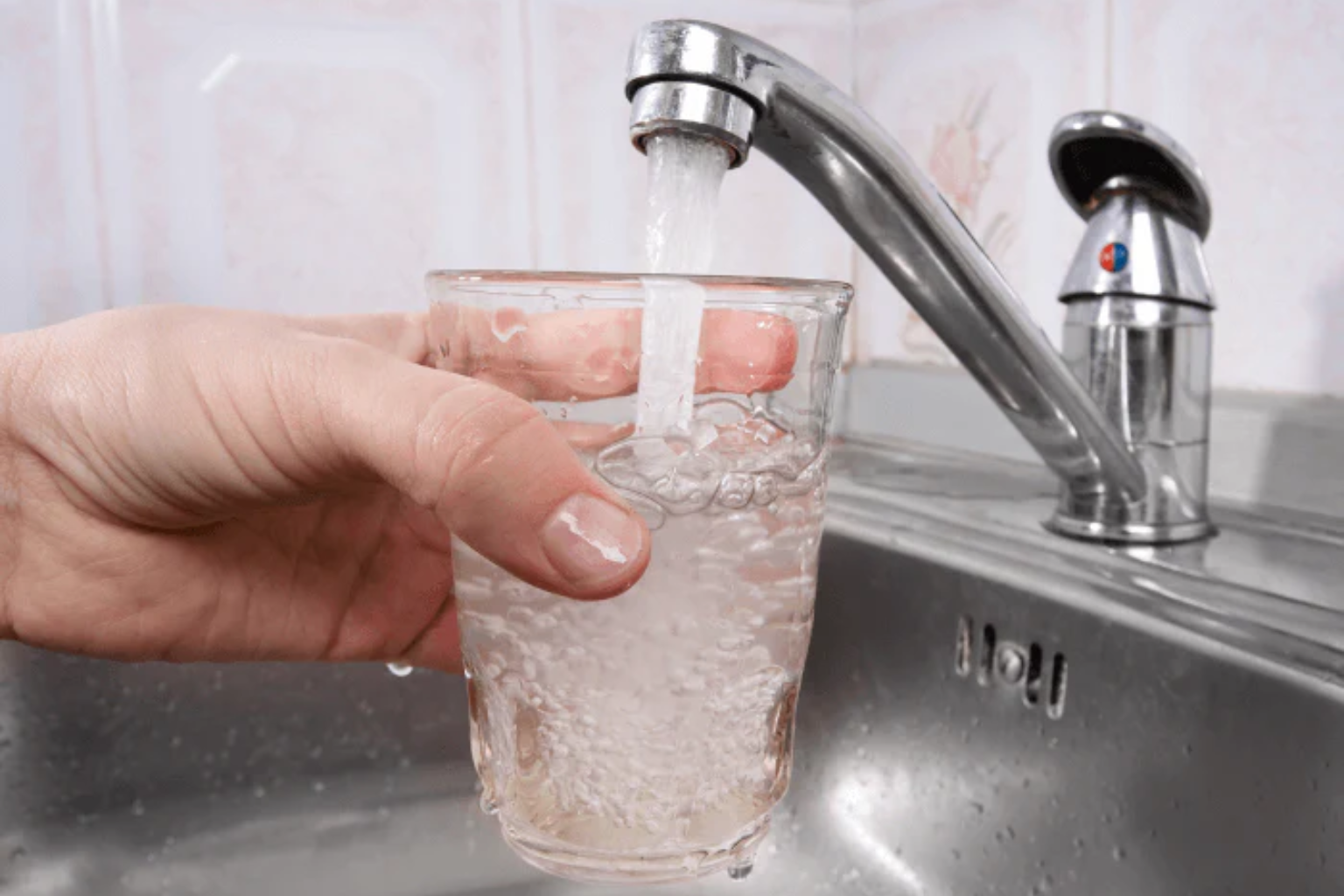
Let’s face it—most of us don’t think about our water until something goes wrong. It’s one of those invisible luxuries we just expect to be there. You turn on the faucet, out it comes. End of story. But in Deer Park, that story has started to shift lately.
You might’ve heard your neighbor mention something about odd-tasting water or seen a headline about contamination. Maybe you’re just wondering if it’s all being blown out of proportion—or if there’s real reason to worry. Either way, you’re here. And that’s a good start.
So let’s talk about it. No panic, no fluff. Just a grounded look at what’s really happening with the water in Deer Park.
A Quiet Problem That’s Growing Louder
Water shortages aren’t just a faraway problem anymore. They’re showing up in our backyards. Deer Park water shortage concerns aren’t exactly breaking news—local agencies have been monitoring levels for a while now—but what’s changed is how unpredictable everything’s become. Related: When Your Water Starts Telling a Story: A Warm, Honest Look at…
A drier-than-usual season here. Higher demand there. Toss in aging infrastructure, and boom—you’ve got the perfect cocktail for reduced pressure, spotty service, and communities scratching their heads, asking, “Wait…what happened to our water?”
The real kicker? It’s not always visible. Most of us won’t notice until our lawns start yellowing or showers trickle instead of flow. That’s when we start paying attention. But by then, it’s already a bigger deal.
The Invisible Threats: Not All Water Issues Are About Quantity
Now, even when the taps are flowing, there’s a quieter question brewing underneath the surface: What’s actually in that water?
Recently, there’s been growing concern around Deer Park PFAS levels. If you haven’t heard the term before, PFAS stands for per- and polyfluoroalkyl substances—synthetic chemicals found in everything from nonstick pans to firefighting foam. They’ve earned the nickname “forever chemicals” because, well, they don’t go away.
These compounds can linger in the environment and—here’s the catch—in our bodies. Some studies have linked long-term PFAS exposure to potential health issues, like hormonal disruptions, immune system suppression, and even certain cancers. Yikes, right? Related: When Water Isn’t Just Water: Why Treating It Right Changes Everything
Now, this doesn’t mean Deer Park’s water is toxic or undrinkable. Not even close. Local officials have been transparent about testing and safety thresholds. But it does mean we need to stay alert and demand regular updates on what’s in our water. Silence doesn’t mean safety—it just means we stopped asking questions.
The Chlorine Question: Smell That?
Ever filled up a glass of water and caught a strong whiff of poolside nostalgia? You’re not imagining it. There’s a reason behind that subtle chemical scent.
Yes, the answer to “does Deer Park water have chlorine” is a simple one: it does. And that’s actually not uncommon.
Chlorine’s been used as a disinfectant in municipal water systems for decades. It’s effective at killing off harmful bacteria and viruses that can make people sick. But here’s where things get tricky—while it’s doing good work behind the scenes, it can also impact the taste, smell, and even feel of our water.
For some folks, it’s a non-issue. For others (especially those with sensitivities), it’s enough to spark headaches or digestive weirdness. That’s why more people in Deer Park are turning to at-home water filters or bottled alternatives, especially if they’ve got kids or elderly family members at home. Related: When Your Water Isn’t as Clean as It Looks: What Every Homeowner…
Filters, Jugs, and the DIY Fix-It Approach
So what can you do if you’re not loving the way your water tastes or feels?
Start small. Basic pitcher filters (like Brita or PUR) can remove chlorine taste and reduce minor contaminants. If you’re dealing with well water or just want an extra layer of protection, under-sink systems or whole-house filters might be worth the investment.
And honestly, don’t underestimate old-school habits like letting water sit out in an open container. A lot of that chlorine smell evaporates naturally after a few hours.
But let’s be real: while home solutions help, they’re just band-aids. The larger issue is infrastructure—and that takes community action.
It’s Not Just About Water. It’s About Trust.
Water connects everything. It fuels our gardens, washes our dishes, fills our baby bottles. When there’s even a hint of doubt about its safety or availability, people feel it deep down. It’s personal. Related: Why Smarter Water Storage is the Future — and How to Choose…
In Deer Park, there’s a growing sense that we’re not getting the full picture fast enough. And honestly, people are tired of being in the dark. We don’t want jargon-filled reports or vague assurances. We want clarity. Transparency. A little respect for the fact that this isn’t some niche policy debate—it’s about what goes in our bodies.
It’s not unreasonable to ask for more frequent updates, easier-to-understand water reports, and a timeline for long-term infrastructure improvements. That’s not noise. That’s a community taking ownership.
Community Action Isn’t Just a Buzzword
If there’s anything good to come from water challenges, it’s this: people are starting to talk. Neighborhood Facebook groups, PTA meetings, city council sessions—they’re all waking up to the idea that water isn’t a “set it and forget it” issue.
If you’ve ever rolled your eyes at civic involvement or thought, “Someone else will handle that,” now’s a good time to reconsider. Even just showing up once, asking one question, or signing one petition can move the needle.
Because when enough voices rise, change follows. We’ve seen it happen elsewhere. It can happen here, too.
Final Thoughts: A Glass Half…Aware
The water in Deer Park isn’t radioactive. It’s not unsafe. But that doesn’t mean it’s perfect—or that we should settle for “good enough.” Related: When Clean Isn’t Clean Enough: The New Age of Water Safety
Being informed doesn’t mean being paranoid. It means recognizing that things change, asking better questions, and doing what we can—both individually and collectively—to ensure clean, safe, and reliable water for everyone in the community.